
What a historic day! The inauguration of President Biden and Vice President Harris has lifted my spirit and gives me hope that the eradication of COVID might be possible in 2021. I may have to make this hibiscus celebration cake to celebrate. And, let’s be honest, I love a good excuse to bake, so I don’t need much encouragement on that front.
In yesterday’s post I alluded to the fact that, with some intentional planning, we could gain all of our necessary vitamins, nutrients, and minerals, with the exception of B12, from a plant-based vegan diet. Let’s dive in a bit more here: What is B12? Where does it come from? And why do our bodies need it?
What does vitamin B12 do? Vitamin B12 (one of the 8 B vitamins) is involved in red blood cell production, DNA synthesis, nervous system function, and energy metabolism. It is crucial to our function as human beings. Inadequate levels of B12 can lead to neurological issues, infertility, and anemia, among other issues.
To avoid vitamin B12 deficiency we should aim to intake 4μg (4 micrograms) of B12 through the food we eat or 25–100μg per day via supplement.
Where does vitamin B12 come from? B12 is most commonly found in meat, dairy, seafood, and eggs, where it is synthesized by certain bacteria and archaebacteria.
Vegan Sources of B12:
- Nutritional Yeast
- Fortified soy milk
- Fortified almond milk
- Fortified cereals
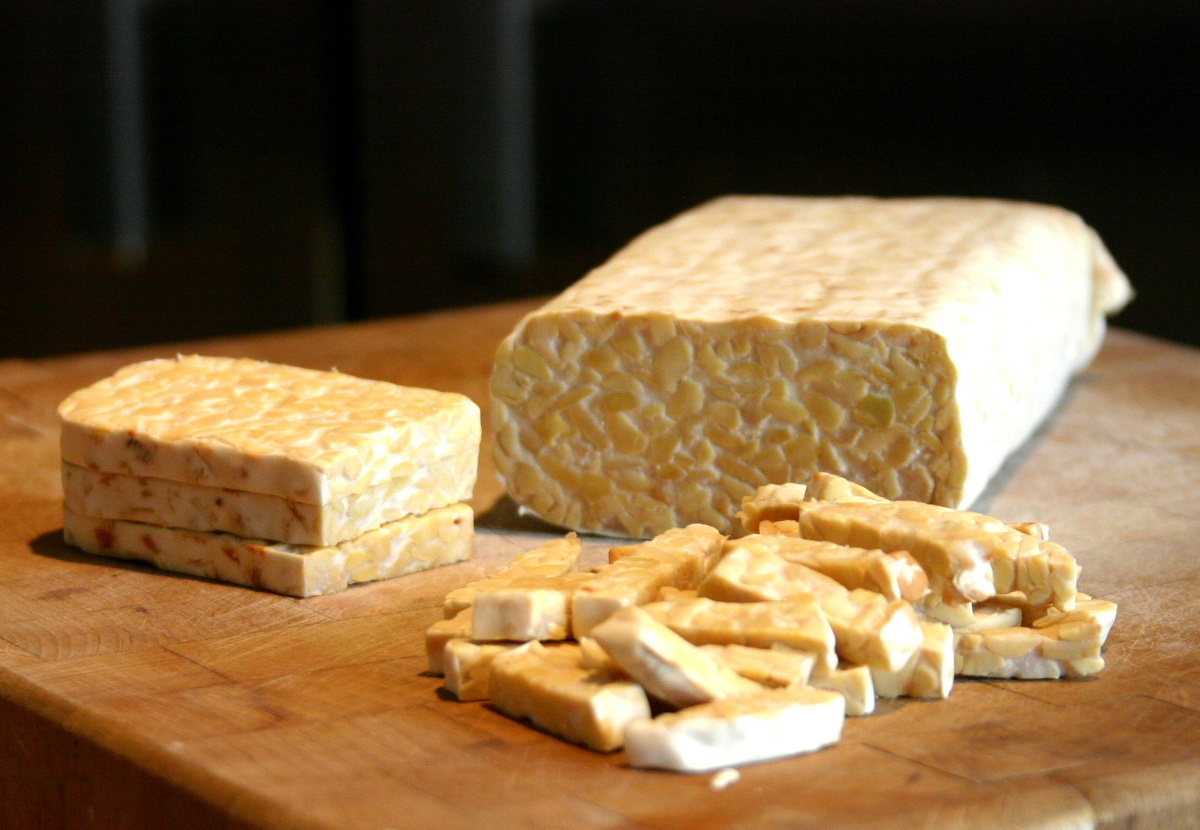
- Tempeh

Research has shown that plant-based foods (like those listed above) may even have an easier absorption rate than animal-based B12, as “fortified vegan-friendly B12 is not bound to protein, [and] therefore […] has a greater bio-availability […] unlike animal based versions which rely more on the efficiency of digestive enzymes and hydrochloric acid in the stomach to break it down to a smaller component, allowing it to pass into the blood stream”.
The symptoms of B12 deficiency are serious, may take many months to develop, and can include: staggering, swollen tongue, anemia, difficulty focusing, numbness in the hands, legs and feed, and fatigue.
As B12 absorption declines naturally with age, meat eaters over the age of 50 should consider taking a B12 supplement. And, according to Dr. Joshi, “given that 1 in 6 meat eaters is […] vitamin B12–deficient, they might be wise to take an oral supplement themselves.”
**Disclaimer: If you are embarking upon your own vegan exploration / journey, I urge you consult a certified nutritionist, dietician, or medical professional. I hold none of these professions and cannot in good faith tell you what is the most healthy for your body and health journey. Most blood tests that a General Physician would perform at your annual appointment should screen for B12 levels.
Sources:
Leave a Reply